Kindness in Business: The Compounding ROI of Being a Good Person
Most business advice boils down to systems, leverage, and execution speed. That stuff matters. But there is a quieter lever that almost nobody talks about: simple, deliberate kindness in business.
Not the performative kind you post about on LinkedIn. Not corporate social responsibility dressed up for a press release. The real stuff. Picking up a coffee for the person behind you. Sending a genuine check-in text to someone grinding through a hard season.
It sounds small. That is exactly why it works.
Kindness in Business Is Not Soft. It Is Strategic.
Here is the thing that took me years to internalize: generosity is not weakness. In fact, the most dangerous entrepreneurs I have ever met are the ones who are unreasonably kind. They play long games. They build trust capital that compounds over years.
Think about the people who opened doors for you. The ones who made an introduction they did not have to make. The mentor who gave you 30 minutes for no reason. Those are the people you remember. Naturally, you go to bat for them. Over time, you send them deals, referrals, and opportunities.
Why? Because they earned something no ad budget can buy: loyalty through generosity.
That is the real ROI of kindness in business. It is the compounding trust that turns into relationships. Those relationships turn into deals. Those deals turn into a reputation that precedes you into every room.
Small Acts Compound Like Interest
We all understand compound interest when it comes to money. However, we completely miss the same principle playing out in human relationships every day.
Paying for someone’s meal. Sending a handwritten note. Giving honest feedback when staying quiet would be easier. Recommending someone for a gig you could have taken yourself. None of these feel like much in the moment.
But they stack.
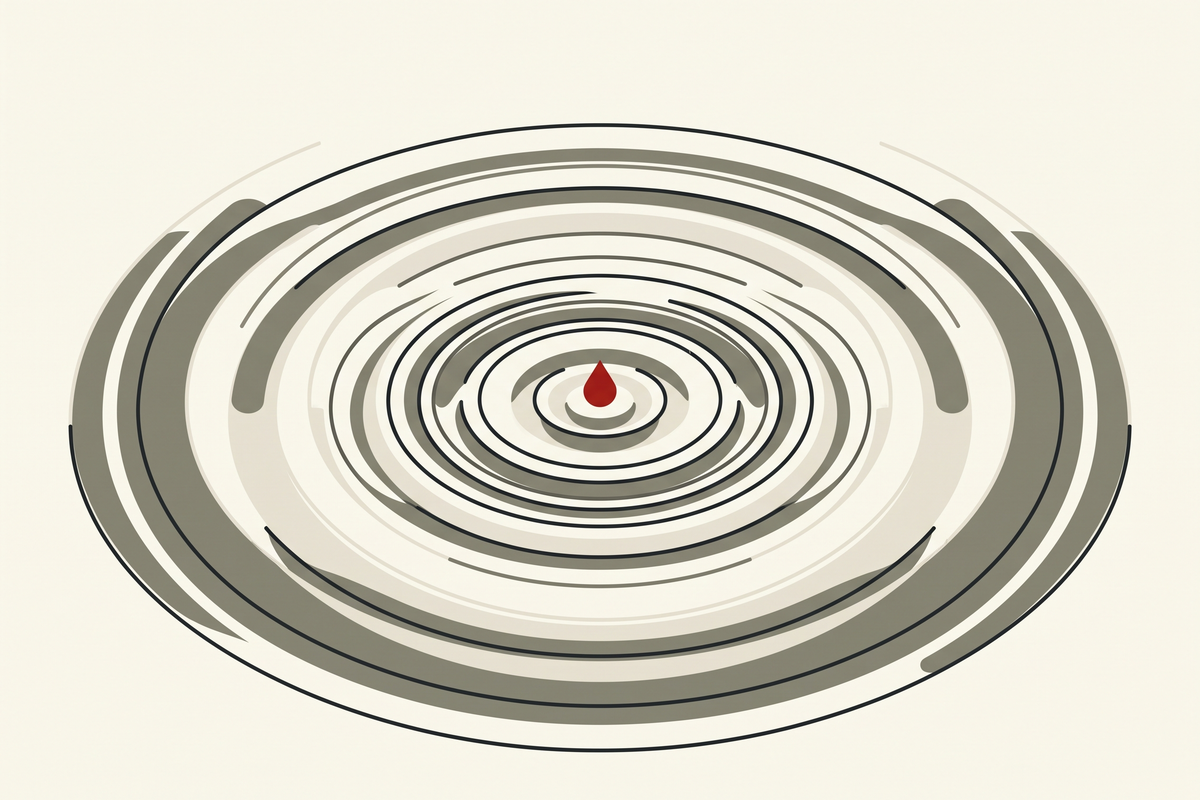
Six months from now, the person whose lunch you covered introduces you to their business partner. The founder you gave honest feedback to remembers you when they need an advisor. Additionally, the referral you made comes back from someone you have never met. Your name traveled through a trust network you did not even know existed.
This is how the best operators build. Not by networking. By being worth knowing.
It Changes You More Than the Other Person
Here is the part nobody tells you. The biggest beneficiary of your kindness is not the person receiving it. It is you.
When you do something for someone without expecting anything back, it rewires how you see the world. You stop keeping score. You stop approaching every interaction as a transaction. Ironically, that is when the best opportunities start flowing toward you.
People can feel the difference between someone genuinely generous and someone being nice because they want something.
Research backs this up. A meta-analysis from the American Psychological Association found that prosocial behavior is strongly linked to higher well-being.
People who consistently practice generosity report less anxiety and more life satisfaction. Not because they are delusional optimists, but because kindness restructures how your brain processes social connections.
As an entrepreneur, that mental shift is everything. The days I am most generous are the days I make the best decisions. I am not operating from scarcity. I am playing with an open hand. That opens up possibilities a clenched fist never could.
The Kindness Flywheel for Entrepreneurs
If you want to put this into practice, here is how I think about it. Not as random acts, but as a flywheel that builds momentum.
Start with your inner circle. Before you try to change the world, be relentlessly good to the five people closest to you. Your partner, your team, your close friends. Consistency here builds the muscle.
Extend it to strangers. Pay for someone’s coffee. Compliment someone’s work publicly. Leave a review for a small business you love. These micro-moments cost you almost nothing but create outsized impact.
Make introductions without being asked. When you see two people who should know each other, connect them. This is one of the highest-leverage kindness moves in business. It costs you two minutes and can change someone’s trajectory.
Be honest when it is hard. Real kindness is not just being nice. Sometimes it means telling someone what they need to hear, not what they want to hear. That takes guts. People respect it deeply.
Never keep score. The moment you start tracking favors, you turn kindness into a transaction. Let it go. Trust that it comes back in ways you cannot predict.
The Bottom Line
Building a business is hard. Building a life you are proud of is harder. But the entrepreneurs who weave genuine kindness into their daily rhythm end up winning both games.
Not because they are trying to win. Because they stopped treating people like stepping stones and started treating them like human beings. As a result, they discovered the most disruptive competitive advantage of all.
No strategy deck required. No budget either. All you need to do is start. Buy someone’s lunch today. Send that text you have been putting off. Make the introduction.
Watch what happens over the next six months. It compounds.