How to Sell Your Ideas: Packaging Always Beats Invention
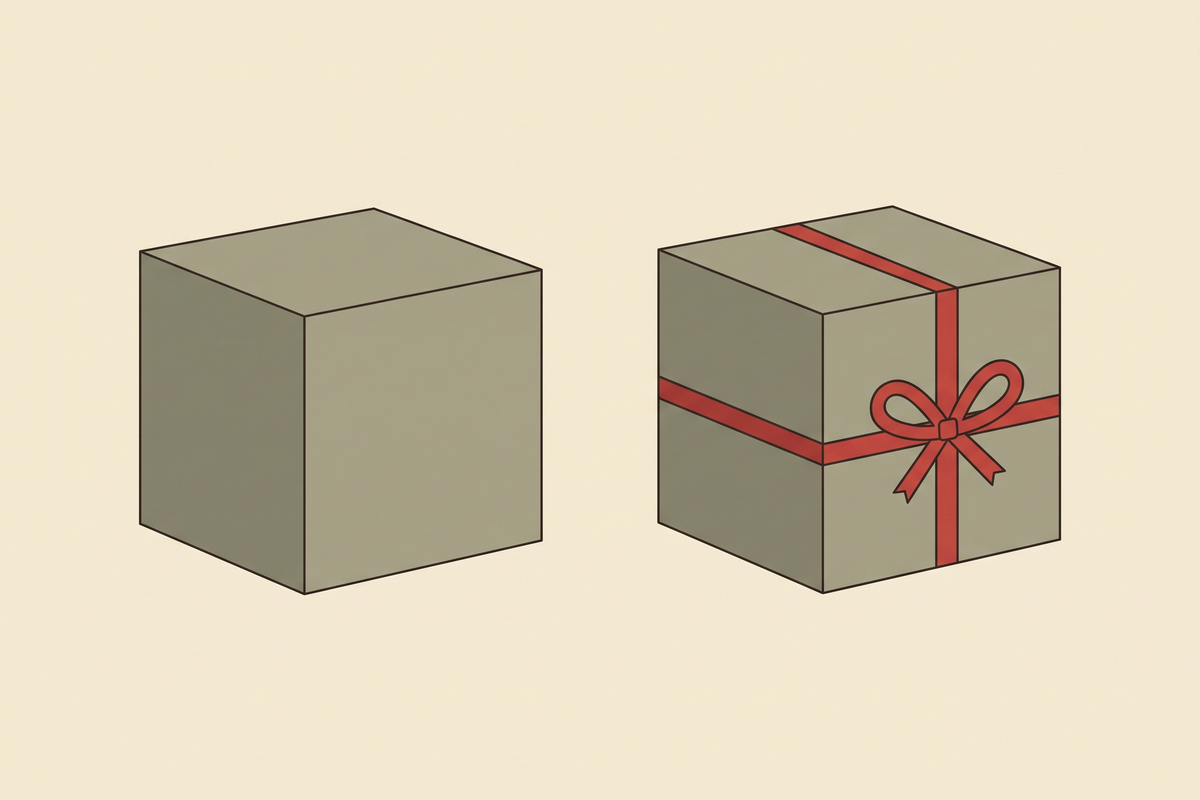
If you want to know how to sell your ideas, here is the uncomfortable truth: the idea itself barely matters. What matters is how you package it. The best idea in the world, poorly presented, loses to a decent idea wrapped in something people can instantly understand and feel.
Entrepreneurs get this backwards constantly. They spend months perfecting a product, a pitch, a piece of content, and then slap it into the world with zero thought about framing, context, or delivery. Then they wonder why nobody cares.
Julia Child Didn’t Invent French Cooking. She Packaged It.
French cuisine existed for centuries before Julia Child showed up. Escoffier codified it. Thousands of chefs mastered it. Julia Child didn’t add a single recipe to the canon.
What she did was translate it. She took something intimidating and foreign and made it feel approachable, fun, and doable for American home cooks. She made mistakes on live TV and laughed about them. She turned an 800-page encyclopedia manuscript into a usable cookbook after her publisher told her Americans wanted something simpler.
That is not invention. That is packaging. And it made her one of the most recognized names in food history. The lesson for anyone trying to figure out how to sell your ideas: the wrapper matters more than what is inside.
Why Great Ideas Die Without Great Packaging
There is a great insight floating around about fame and recognition: fame becomes familiar pretty quickly, but being ignored never stops stinging. That is the real risk for entrepreneurs. Not failure. Invisibility.
Your competitors are not beating you because they have better ideas. They are beating you because they present those ideas in a way that clicks instantly. People do not evaluate ideas on merit first. They evaluate them on clarity, emotion, and relevance to their own lives. If your packaging does not clear those bars in the first three seconds, your idea never gets a fair shot.
Think about it this way: every pitch deck that gets funded is not necessarily the best business. It is the best story. Every viral tweet is not the most profound thought. It is the most shareable framing. The gap between “great idea” and “idea people actually engage with” is entirely a packaging problem.
How to Sell Your Ideas: Real Examples From Marketing and Business
This pattern repeats everywhere once you start looking for it.
Steve Jobs and Apple. The iPod was not the first MP3 player. It was not even the best on specs. But “1,000 songs in your pocket” was a packaging masterpiece. Jobs understood that people do not buy technology. They buy what technology lets them feel. Every Apple launch since has followed the same formula: take existing tech, wrap it in a story people can see themselves in.
Dollar Shave Club. Razor subscriptions existed before them. The idea was obvious. But their launch video packaged a commodity product with humor, personality, and a clear value prop. That one video cost $65,000 to produce and generated 12,000 orders in the first 48 hours. Same razors everyone else had. Better package.
Gary Vaynerchuk. Nothing Gary Vee says about hustle, patience, or social media is original. He would be the first to tell you that. But his packaging, the energy, the camera-in-your-face delivery, the relentless consistency, turned common wisdom into a personal brand worth hundreds of millions.
Notion. Project management tools existed for decades. Notion repackaged the same core functionality with beautiful design, flexibility, and a community-driven template ecosystem. Same idea as a dozen competitors, but the packaging made it feel like a creative tool instead of corporate software. That distinction is worth billions.
The Packaging Framework: Three Things That Actually Matter
If you are sitting on an idea right now and wondering why it is not landing, run it through these three filters.
1. Clarity in one sentence. Can you explain your idea in a single sentence that a stranger would understand without follow-up questions? If not, your packaging needs work. “1,000 songs in your pocket.” “We deliver razors to your door for a dollar.” “All-in-one workspace.” The best packages compress complex value into simple language.
2. Emotional hook before logical argument. People decide with emotion and justify with logic. Your packaging needs to make someone feel something (curiosity, excitement, relief) before you ever explain features or methodology. Julia Child made cooking feel joyful before she taught a single technique.
3. Format fit. The medium is part of the package. A brilliant business idea pitched in a 47-slide deck will lose to a mediocre idea pitched in a crisp 2-minute video. Match your delivery format to where your audience actually pays attention. Right now, that is probably short video, punchy newsletters, or sharp social posts.
Stop Perfecting the Idea. Start Perfecting the Wrapper.
The entrepreneurs who win are not necessarily the smartest or the most original. They are the ones who figured out how to sell your ideas by making them impossible to ignore. They package relentlessly. They test headlines, rewrite pitches, redesign landing pages, and adjust their delivery until the packaging matches the quality of what is inside.
If you have a great idea that nobody is paying attention to, the idea is not the problem. The packaging is. Fix that, and everything else follows.
Julia Child proved it with French cooking. Steve Jobs proved it with MP3 players. Dollar Shave Club proved it with razors. The pattern is clear. Your job is not to invent something new. It is to present something valuable in a way people cannot look away from.
That is the whole game.