
The Week I Ran Out
My weekly AI allowance ran out on a Tuesday and the quiet failures took days to notice. What I changed so it never sneaks up on me again.
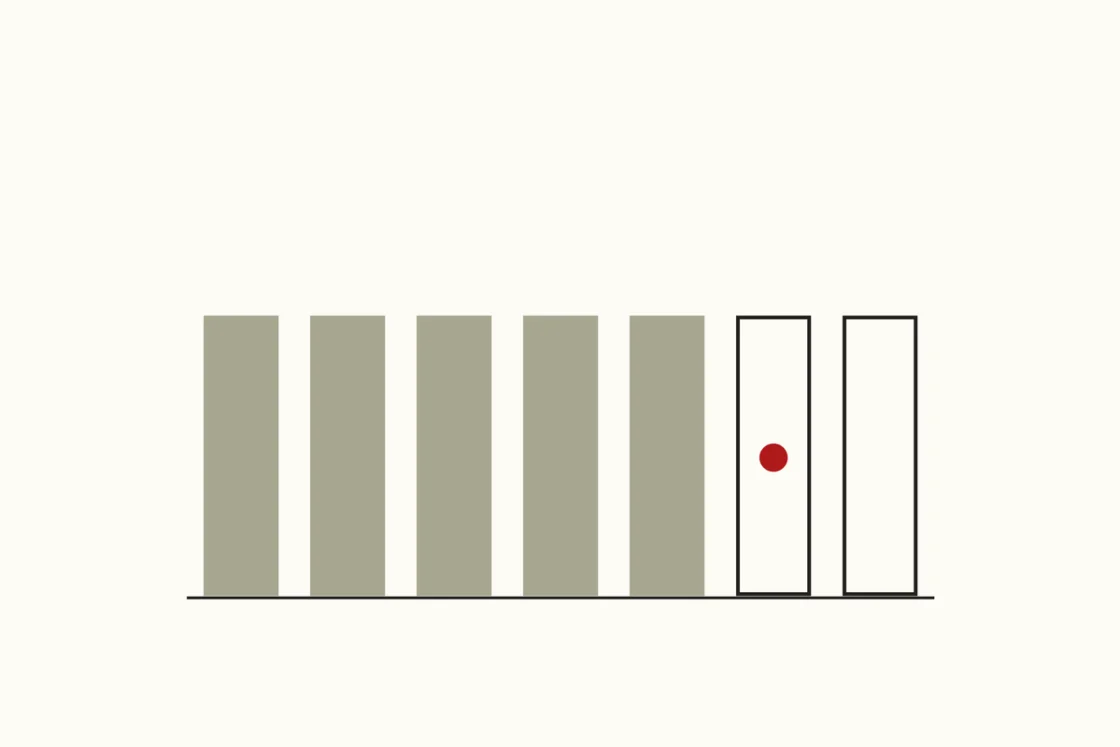
On a Tuesday this month, the machines I rely on all went quiet at once, and it took me longer than I like to admit to work out why.
Nothing was broken. No bad update, no dead drive. I had simply used up my allowance for the week. The AI subscription that runs most of my daily work has a weekly cap, I had been running everything at full speed, and the meter hit the wall with days still left on the calendar.
Quiet is not the same as safe
The odd part was how polite the failure was. Scheduled jobs that normally run before I wake up did not crash loudly. They just did not finish. The morning routine that reads my notes and picks one useful thing to do each day logged a failure and moved on. Every other piece kept running as if nothing had happened.
That is the kind of outage I have learned to fear most. A loud failure gets fixed by lunch. A quiet one lets you believe a system is working for days after it stopped.
I had a budget. I did not have a speedometer.
I knew the cap existed. I had never watched how fast I was driving toward it. A weekly limit is like a monthly rent payment: easy to ignore until the day it matters, and then it is the only thing that matters.
So I did the boring thing. I set up a small check that looks at how much of the week I have used, every hour, and tells me where I am heading. If I am burning faster than the week allows, it says so early, while there is still room to slow down instead of stop.
Spend on purpose
The second change is a rule, not a tool. Cheap, repetitive work now runs on the lighter, cheaper setting by default. The expensive thinking is saved for the things that need it. Reading a log file does not need my best brainpower, and I was paying for it anyway.
I also keep a reserve. A slice of every week is held back for the days I know I will be producing something big. If I spend that slice on a Wednesday afternoon of tinkering, I am borrowing from the day that pays me.
The lesson is bigger than software
Any resource that renews on a schedule behaves the same way: cash flow, a free afternoon, your own attention. You do not run out on the day you planned for. You run out on the day you stopped looking at the gauge.
If you lean on a tool with a hidden limit, go find it today. Look up how much you get, how fast you use it, and what happens when it ends. It takes five minutes, and it is a lot cheaper than learning it from a silent Tuesday.
I wrote recently about checking the power supply first. This is the same habit, one level up. Before you debug anything clever, check whether the thing simply ran out.